

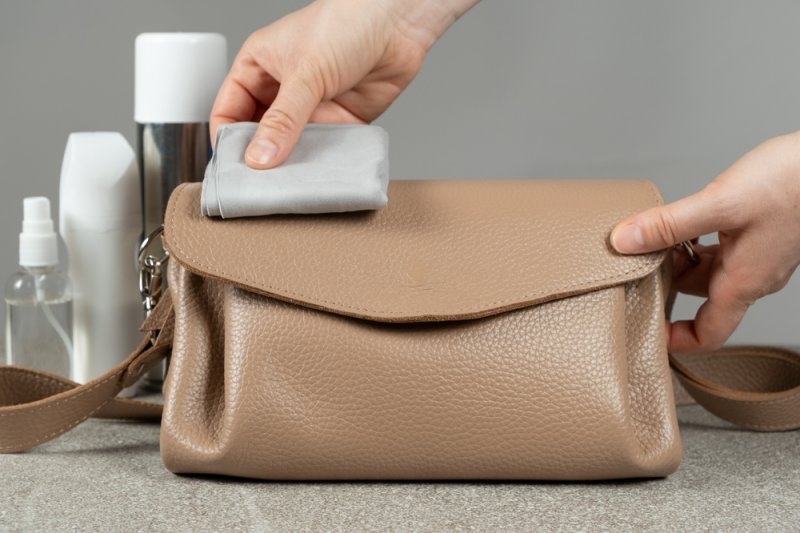
Handbags should be stored properly to avoid acquiring any extra or harmful effects from moisture, sunlight, dust, and pressure. Our handbags tend to be subjected to more wear and tear than we think.
Makeup, spills, rubbing, breath, and constant grabbing can all take their toll over time. Use these simple handbag care tips to help avoid some of those hazards before they happen, and learn how to care for a handbag whether it's made of leather, canvas, or fabric.
Caring for your bag at home. The first rule for great handbag care is to handle it well! Never put your bag on a dirty floor or on rough or wet surfaces. Never overload it with unnecessary objects; the weight will stretch the handles and seams and alter the shape of the bag.
It's also handy to keep items that could get messy away from everything else. Makeup, pens, lotion, snacks, and drinks can be the easiest way to cause an accidental stain. Small pouches can keep these away from everything else, making handbag maintenance a breeze.
The appropriate cleaning method varies based on the material and the contaminants. Here's how to maintain a handbag:
The 'best' way to clean and maintain a handbag really depends on the material. For example, different handbags can react differently when they come into contact with moisture and cleaning solutions: Leather, suede, canvas, nylon, crochet, etc. Read the manufacturer's care instructions before using a cleaner.
Surface dust and dirt can be wiped away with a soft, dry cloth. Do not scrub aggressively: too much abrasion will scratch finishes, transfer dyes, and make soft fabrics look worn.
The top tip for cleaning handbags is to clear off any stains straight away. When you have a spill, use a clean cloth to blot away the stain and do not rub—rubbing can be damaging to the handbag material and can also set the stain.
For more thorough cleaning, use a cleaner designed especially for your type of handbag material. Test your cleaner on an inconspicuous part first. Household cleaners may discolor or damage the handbag surface if used without testing first.
Unlike a wig, a purse should never be soaked. Excessive water can damage leather, create marks from the water, weaken glue, or change the shape of some fabric types. Cleaning gently and carefully is usually the best way to go.
Removing stains from handbags is easier when you understand the composition of the stain and what material has been stained. Always blot out fresh liquid spots instead of trying to spread them out and cover a larger area. Don't use harsh home remedies on oily or tough stains.
If the stain persists after light cleaning, professional cleaning may be a safer option than trying over and over at home. Use these handbag cleaning tips to help prevent a little stain from becoming a permanent blotch, and care for handbags better.
Leather should always be shielded from harsh conditions that might dehydrate it and damage the surface.
The first step in preventing leather handbags from cracking involves shielding the leather from heat. Do not leave your bag in the car for long periods of time or place it directly by a heater because the heat will dry out the leather and affect how it appears.
A quality leather conditioner will keep leather pliable, but use as directed by the product's manufacturer. Use only as directed since a leather conditioner applied too liberally will make some leather products oily or shiny.
Prolonged sun exposure can cause your bag to fade and dry. Keep your leather handbags in a safe place when you are not wearing them, and avoid bags with fragile or light-colored treatment.
Moisture can actually be a problem of its own for your leather. If your bag gets wet, sop it up with a soft cloth and let it dry. Never use a hair dryer or rest it next to a heater to dry.
Constantly examine handles, seams, holes, and also high-traffic locations. The earlier you recognize dryness, or even little surface damage, the less complicated it will be to learn how to prolong your purse's lifespan than to attempt to restore it the day before it has fallen apart.
How to store handbags when you won't need your bag for months at a time. Knowing how to store handbags isn't the hardest bit, but a few tips on how best to do so are! Start by emptying all compartments and pockets. Remove any dust and debris.
The bag should be stored in a dry and dark place. Opt for an open woven bag instead of a plastic bag. Filling an open bag with a tissue or stuffing it with the right tissue can also help the bag keep its shape without pressing it too hard.
Everyday wear and tear can add up from the small adjustments you make in the way you use and care for your handbag.
How to Stop Your Handbag from Getting Damaged: Learn to prevent handbag damage in the first place by minimizing the amount of handling it receives. Avoid putting the bag down on rough floors, concrete, or dirty surfaces, as this will scratch the corners and bottom.
If you are using dark denim or similar heavily dyed materials, watch for color transfer onto handbags, as color can bleed from the fabric to handbags. The light bags in particular are at risk of absorbing color from a snagged pocket or hemline.
Keep pens, keys, jewelry, or any other pointed item away from the inside or outside of a handbag. Storing these items in their own pouches can eliminate unwanted scratches as well as help organize the handbag more efficiently.
Daily use subjects your bag to daily friction, pressure, and environmental elements. Resting your bag after every single use allows it to absorb less wear and tear.
Metal pieces like clasps, chains, hooks, zippers, and hardware can scratch if the item is rattled around too roughly. Close hardware gently and don't scrape metal down the face of the bag.
One of the simplest ways to care for handbags is to check them regularly. Loose stitching, loose straps, worn corners, stains, and bag distortion should be spotted and addressed immediately. Small actions help to extend the life of a purse.
This also applies to how to make a purse last. Clear out the bag frequently, wipe down appropriate surfaces, store properly, and don't use more weight than the bag can carry. Regular handbag maintenance beats deep-cleaning on an occasional basis.
The absolute best handbag care tips are to follow the care instructions for the material, treat stains promptly, avoid extremes of moisture and temperature, and protect and store handbags.
Finding out how to care for a handbag and how to protect handbags from everyday mishaps will save you lots of aggravation! Proper handbag care will ensure the bag's shape and appearance last for years to come.
Generally, handbags shouldn't be washed in a washing machine unless the manufacturer's care instructions explicitly call for machine washing. Water, agitation, and detergents can damage hardware, linings, adhesives, structured elements, and leather.
There isn't one universal schedule because kinds of leather and their usage are different. Conditioning should usually be done as needed and when leather looks dry, following the product’s directions. Excess conditioner can impact the finish.
Empty the bag often and take out any crumbs, dust, receipts, or other loose items. Keep makeup, pens, and liquids in small organizers or pouches to avoid their coming into contact with the lining.
Moisture and water can build a musty smell and encourage mold and mildew or damage to the handbag material if stored while no air is circulating around it. Store handbags in a dry, cool place with fresh air circulating.
You should consider professional cleaning if there is a particularly stubborn stain, significant discoloration, the handbag is delicate, or there is damage that could worsen with household cleaning products. Avoid testing home cleaning products.
This content was created by AI